The Ultimate Guide: Unlocking Clear Vision with Glasses with Bifocals
The Ultimate Guide: Unlocking Clear Vision with Glasses with Bifocals
Struggling to read fine print while also needing to see clearly in the distance? You're not alone, and there's an elegantly simple solution. This guide demystifies bifocal lenses, explaining how they combine two prescriptions into one, offering a seamless visual experience for those with presbyopia. To solve this common vision challenge, we will show you how specialized glasses with bifocals provide a convenient two-in-one function, even available in sunglass form for ultimate versatility. Whether you are a long-time glasses wearer or just starting to explore options beyond simple reading glasses, this article will provide clear answers and guide you toward the perfect vision correction for your lifestyle.
【Unveiling Glasses with Bifocals: The Basics】
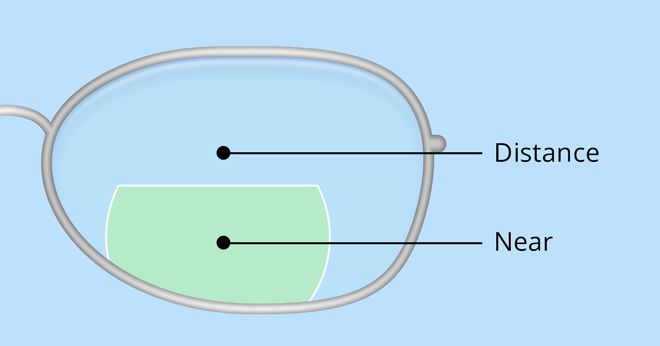
How Do Bifocal Glasses Work?
Understanding how do bifocal glasses work is Key
At its core, the concept behind glasses with bifocals is ingeniously simple. It combines two different prescriptions into a single lens to correct vision at two distinct distances. This solves a common problem for people experiencing presbyopia, the age-related loss of near-focusing ability.
Understanding the Segmented Lens Design
The most recognizable feature of bifocal eyewear is the segmented lens. Each lens is visibly divided into two parts. The upper, larger portion of the lens is designed for distance vision, allowing you to see objects clearly across a room or while driving.
The lower part, known as the "segment" or "add," contains the stronger prescription for near vision. This segment is what you look through when you are reading a book, using your phone, or doing any close-up task. This dual-zone design is the fundamental principle of all types of bifocal lenses.
The Principle of Refractive Zones for Near and Distance Vision
Each zone in a bifocal lens has a different refractive power, meaning it bends light differently to focus it correctly onto your retina. The distance zone corrects your primary refractive error (like nearsightedness or farsightedness), while the near-vision segment provides the additional power needed to see things up close.
This is a significant step up from standard reading glasses. While a pair of round reading glasses is excellent for the single purpose of reading, they must be removed to see distant objects clearly. Glasses with bifocals eliminate that inconvenience by integrating both prescriptions, offering a much more seamless visual experience.
The Evolution of Corrective Eyewear: From Traditional Bifocals to Advanced Eyewear Technology
Corrective eyewear has a rich history of innovation, constantly evolving to meet the changing needs of users. From the first simple bifocal concept to the high-tech solutions of tomorrow, the goal has always been clearer, more comfortable vision.
A Brief History of Bifocal Glasses
The invention of bifocal lenses is widely credited to American statesman and inventor Benjamin Franklin in the 1780s. Tired of switching between two pairs of glasses—one for distance and one for reading—he had two lenses cut in half and mounted together in a single frame. This simple yet revolutionary idea laid the groundwork for all modern multifocal lenses.
Glimpse into the Future: Adjustable Focus Eyeglasses (Omnifocals)
Looking ahead to 2025 and beyond, eyewear technology is poised for another leap forward with adjustable focus eyeglasses, sometimes called Omnifocals. These "smart glasses" aim to provide a dynamic and seamless focusing experience that mimics the natural human eye. Two key technologies are driving this innovation:
Liquid Crystal Technology and Real-Time Optical Power Adjustment
These lenses use a layer of liquid crystals that can change their refractive index when a small electrical charge is applied. This allows the glasses to instantly and automatically adjust their focusing power based on what you are looking at.
Sensor-Based Pupillary Distance Tracking for Dynamic Focusing
Advanced sensors will track your eye movements and how to measure pupillary distance for bifocals in real-time. This data allows the glasses to calculate the exact focal point you need and adjust the liquid crystal lenses accordingly, offering a truly fluid field of vision without the distinct lines of traditional dual-focus lenses. Many also wonder, do bifocals come in sunglasses? While we await these futuristic omnifocals, current technology already provides fantastic solutions. You can easily find high-quality polarized sunglasses with complex prescriptions. For example, getting a pair of specialized prescription sunglasses ensures you have optimal vision and UV protection outdoors, solving the common hassle of juggling multiple pairs of eyewear.
【Identifying the Need: Who Benefits Most from Bifocal Glasses?】

The Onset of Presbyopia: A Common Age-Related Condition
The primary group of people who benefit from glasses with bifocals are those experiencing presbyopia. This is a natural, age-related condition that typically begins around the age of 40, where the eye's natural lens becomes less flexible, making it difficult to focus on objects up close.
If you find yourself needing to hold menus, books, or your smartphone at arm's length to see them clearly, you are likely a candidate for bifocal eyewear. These glasses are designed specifically to counteract the effects of this near vision loss.
Recognizing the Symptoms of Near Vision Loss
The signs of presbyopia are often gradual but unmistakable. Understanding them is the first step toward seeking the right vision correction. Key symptoms include blurred vision at a normal reading distance, a tendency to hold reading material farther away, and experiencing eye strain or headaches after doing close-up work.
For many, the initial solution is a simple pair of readers. While a great pair of stylish reading glasses for men can certainly help with reading, they are not a complete solution if you also have a distance prescription. This is precisely **who needs bifocal glasses**: individuals who require correction for both near and far vision simultaneously.
Exploring Presbyopia Treatment Options Beyond Bifocals
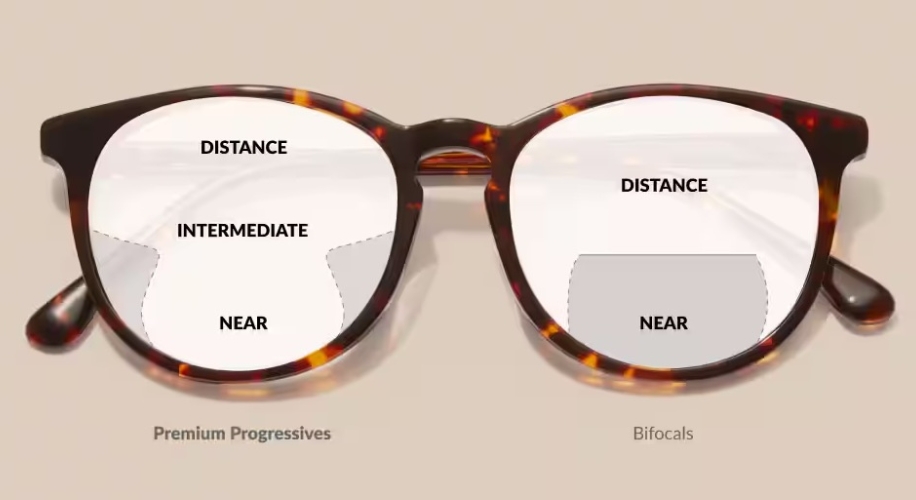
While glasses with bifocals are a popular and effective solution, they are not the only one. Other **presbyopia treatment options** exist, including carrying two separate pairs of glasses (one for distance, one for reading), multifocal contact lenses, and progressive lenses, which offer a more gradual transition between focal powers.
The choice between **reading glasses vs bifocals** often comes down to convenience. Bifocal lenses eliminate the constant need to switch glasses, providing a more integrated and hassle-free visual experience for daily activities.
Specific Eye Conditions Requiring Bifocals
Beyond age-related presbyopia, certain individuals have specific vision needs that make them ideal candidates for dual-focus lenses. These are often people who have had pre-existing vision problems long before the onset of presbyopia.
Addressing Combined Near and Distance Vision Impairments
A person who is nearsighted (myopic) or farsighted (hyperopic) will eventually also develop presbyopia. In this scenario, glasses with bifocals are an excellent solution. The main part of the lens corrects their primary distance-vision issue, while the lower segment provides the necessary magnification for near tasks.
Furthermore, many people wonder, **can bifocals correct astigmatism**? The answer is yes. Your distance prescription in the upper part of the bifocal lens can be ground to correct for astigmatism, while the lower segment simply adds the power needed for reading. This ensures comprehensive vision correction in a single pair of dual-focus eyewear.
Tailoring Vision Correction for Active Lifestyles and Occupational Demands
Certain professions and hobbies demand clear vision at multiple distances. An electrician may need to see wiring up close but also view a circuit breaker across the room. A musician needs to read sheet music on a stand while also seeing the conductor. In these cases, glasses with bifocals provide the necessary versatility.
This need for specialized eyewear also extends to active outdoor lifestyles. For anyone who enjoys activities like driving, fishing, or simply relaxing with a book outdoors, having the right eyewear is crucial. A dedicated pair of sunglasses with a bifocal add is an ideal solution. For example, a quality pair of prescription sunglasses can be customized to your exact needs, offering UV protection, polarized lenses to cut glare, and the dual-focus power you rely on, ensuring you never have to choose between seeing clearly and protecting your eyes.
【Weighing Your Options: Pros and Cons of Bifocal Lenses】
Key Benefits of Bifocal Lenses
When considering a switch to bifocal eyewear, it's essential to understand the significant advantages they offer. For many, these benefits provide a seamless solution to the vision challenges brought on by presbyopia, making daily life much more convenient.
Simplified Vision Correction: Two Prescriptions in One
The most significant advantage of glasses with bifocals is their inherent simplicity. They combine two different prescriptions into a single pair of glasses, eliminating the constant and often frustrating need to switch between distance glasses and reading glasses.
This dual-functionality means you can look up to see across the room clearly and then glance down to read a book or text message without missing a beat. This integrated approach is what makes dual-focus lenses a preferred choice for individuals with active, multi-tasking lifestyles.
Potential Long-Term Cost Savings Compared to Multiple Pairs
While the initial cost of bifocal glasses may seem higher than a single pair of reading glasses, they often represent a long-term financial saving. Purchasing two separate, high-quality pairs of prescription glasses—one for distance and one for near vision—can be significantly more expensive.
By investing in one pair of glasses with bifocals, you consolidate your vision needs and your expenses. Furthermore, exploring options from online retailers can reveal a wide variety of affordable and stylish frames. For instance, you can find many high-quality aviator reading glasses and other styles that fit your budget, making the switch to bifocals an even more cost-effective decision for 2025.
Potential Disadvantages of Bifocal Glasses
Despite their convenience, it's also important to acknowledge the potential drawbacks of bifocal lenses. Understanding these challenges can help you make a more informed decision and prepare for the initial adjustment period.
The Distinct Line and "Image Jump" Phenomenon
Traditional glasses with bifocals feature a visible line that separates the distance and near vision segments of the lens. This line can be cosmetically unappealing to some wearers.
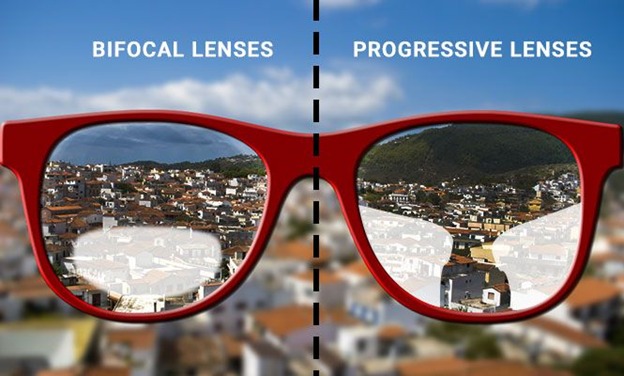
More importantly, this line can cause an effect known as "image jump." As your eyes move across the dividing line, objects can appear to abruptly shift in position. This sudden change in image clarity and location is one of the most common complaints and a key reason some people initially struggle with bifocal lenses.
Initial Adaptation Challenges: Are Bifocals Hard to Adjust To?
The question, "are bifocals hard to adjust to?" is a common and valid concern. The "image jump" and the need to train your eyes to look through the correct part of the lens require an adaptation period. During the first few days or weeks, some users may experience mild dizziness, disorientation, or difficulty with depth perception, especially when walking down stairs.
However, the vast majority of people adapt successfully. One helpful strategy is to start by wearing your new bifocal eyewear during specific, less demanding activities. For example, getting used to them while driving or reading outdoors can make the transition smoother. Investing in a specialized pair, like high-quality polarized bifocal sunglasses, can be an excellent way to adapt. This allows you to practice using the dual-focus system in a relaxed setting while also gaining the crucial benefits of UV protection and glare reduction, ensuring your eyes are comfortable and protected as you adjust.
【Smooth Transition: Adapting to Your New Bifocal Glasses】
Switching to glasses with bifocals for the first time involves a brief but crucial adaptation period. Your brain and eyes need to work together to get used to the two distinct viewing areas in your lenses. While this may sound daunting, rest assured that with a few practical tips and a little patience, you will soon be enjoying the seamless convenience of your new bifocal eyewear.
Practical Tips for Adapting to Bifocal Glasses
Successfully navigating the initial phase of wearing glasses with bifocals is all about developing new habits. These simple adjustments to your daily routine will help make the transition feel natural and intuitive.
Developing New Habits for Optimal Vision
One of the biggest changes is learning to move your head more. Instead of just shifting your eyes down to read, make a conscious effort to point your nose at what you want to see. For close-up tasks, this ensures your line of sight passes through the bottom reading segment of the lens.
When walking, and especially when approaching stairs or curbs, remember to tuck your chin down slightly. This allows you to look through the top, distance-vision portion of your lenses, ensuring you see the ground clearly and maintain proper depth perception.
Gradual Adjustment Strategies and Patience
Don't feel pressured to wear your new dual-focus lenses all day from the very beginning. Start by wearing them for an hour or two at a time in a safe and familiar environment, like your home. Begin with stationary activities, such as reading on the couch or watching television.
As you grow more comfortable, gradually increase the wear time and start incorporating them into more dynamic activities. Patience is your greatest asset during this process. Finding a pair of glasses you love can also encourage more consistent wear. If you're looking for frames that combine visual correction with modern aesthetics, exploring collections of fashionable reading glasses womens can provide stylish options that you'll be excited to wear as you adapt.
Common Hurdles During Adaptation
It's normal to encounter a few small obstacles as you adjust. Understanding what to expect can help you overcome them quickly and confidently. A key part of clear vision, which aids adaptation, starts with maintaining your lenses.
Navigating Initial Discomfort and Eye Strain
Some users report mild headaches, a sense of dizziness, or eye strain during the first few days. This is a normal part of your brain adjusting to the new visual information from your **bifocal eyewear**. These symptoms typically disappear within a week or two.
If you experience discomfort, it's okay to take short breaks. Practice the 20-20-20 rule: every 20 minutes, look at something 20 feet away for at least 20 seconds. This helps relax your eye muscles and reduce strain.
Overcoming the Visual Adjustment Period
The "image jump" effect can be disorienting at first. However, your brain is incredibly adaptive and will soon learn to ignore this slight shift, creating a smooth visual experience. You may also notice some blurriness in your peripheral vision; train yourself to turn your head more directly toward objects to bring them into focus.
Ensuring your lenses are pristine is also vital. Learning **how to clean bifocal lenses** properly prevents smudges and debris from distorting your vision, especially along the dividing line, which can make the adjustment period more difficult. To reduce overall visual stress, particularly outdoors, managing glare is essential. Using a dedicated pair of sunglasses with your prescription can be a massive help. For instance, these fashionable reading glasses womens are polarized to cut glare and include your bifocal prescription, allowing you to adapt to the dual-focus system in bright sunlight while keeping your eyes comfortable and protected.
【Smart Shopping for Bifocals: Costs and Online Buying】
Finding the right pair of glasses with bifocals doesn't have to be a complicated or expensive endeavor. With the rise of online eyewear retailers, you now have access to a vast selection of styles and options at competitive prices. Understanding the cost factors and knowing how to order correctly will ensure you get the perfect pair delivered right to your door.
Understanding the cost of bifocal glasses
The final price of your bifocal eyewear is determined by a combination of your prescription needs and personal style choices. Being aware of these elements helps you set a realistic budget and make informed decisions.
Factors Influencing Pricing: Lens Materials, Coatings, and Frames
The primary cost drivers for your glasses with bifocals are the lenses, coatings, and frames. Lens materials like polycarbonate are durable and impact-resistant, while high-index lenses are thinner and lighter for stronger prescriptions. Adding beneficial treatments, such as an anti-glare coating for bifocals, a scratch-resistant layer, or a blue-light filter, will also affect the price.
Finally, the frame you choose plays a significant role. Designer brands will naturally cost more than generic or in-house brands, but online retailers often provide a wide range of stylish and affordable options to suit any taste.
Typical Price Ranges for Bifocal Lenses Online
One of the greatest advantages of buying online is the cost savings. You can find basic glasses with bifocals starting at very accessible price points, sometimes as low as $20-$30 for the complete pair. As you add premium lens materials, advanced coatings, and designer frames, the price can increase, but it often remains significantly lower than traditional brick-and-mortar stores.
Top online retailers for bifocal glasses
Choosing a reputable online store is key to a successful purchase. Look for platforms that specialize in prescription lenses and have a proven track record of quality and customer satisfaction.
Evaluating Platforms Offering Specialty Lenses
Leading online retailers like GlassesUSA and EyeBuyDirect are well-known for their extensive catalogs that include specialty lenses such as bifocals and progressives. These platforms make it easy to filter by lens type, allowing you to browse frames that are compatible with dual-power eyewear. Look for websites with clear instructions and a user-friendly interface for entering your prescription.
Comparing Customer Service, Return Policies, and Shipping Options
Before committing to a purchase, always review the retailer's customer service reputation, return policy, and shipping times. A good return policy provides peace of mind, especially when buying prescription eyewear for the first time online. For specialized needs, such as finding bifocal sunglasses that protect your eyes from glare while providing clear vision for both distance and reading, online stores are an excellent resource. For example, finding the best reading glasses for men in a polarized sunglass format used to be difficult, but now you can order a pair like the SHINU Brand Myopia Polarized Sunglasses with your specific bifocal prescription online, solving the problem of sun glare and reading on the go in one stylish package.
Essential Steps for Ordering Bifocals Online
To ensure your new glasses with bifocals work perfectly, you must provide precise and up-to-date information. Taking a few extra minutes to get these details right is the most critical step in the online ordering process.
Why an Up-to-Date Prescription is Crucial
An accurate, recent prescription from your optometrist is non-negotiable. Your prescription contains all the necessary details, including the "ADD" power, which specifies the magnification needed for the reading segment of your bifocal lenses. Using an old or expired prescription can result in glasses that cause eye strain and headaches instead of providing clear vision.
Accurate Measurement: How to Measure Pupillary Distance for Bifocals
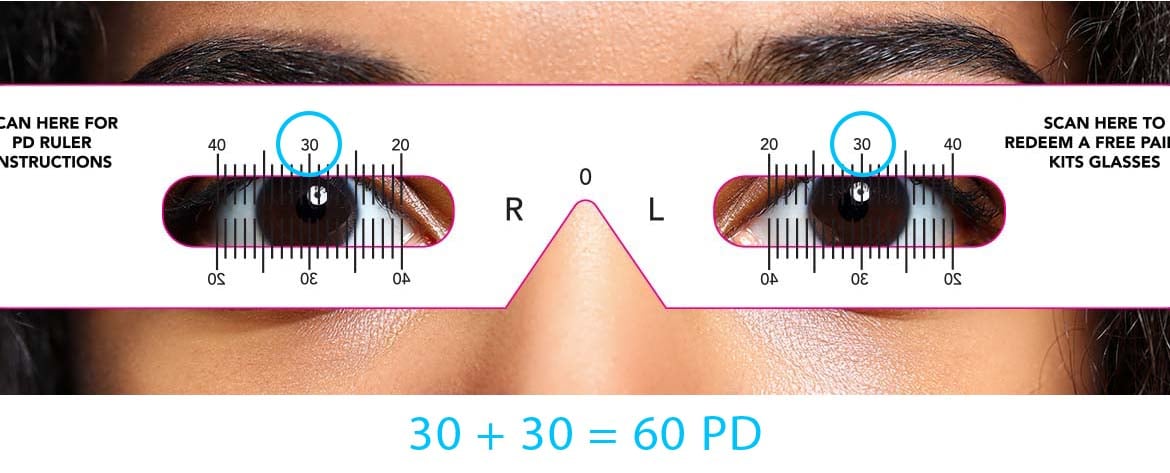
Your Pupillary Distance (PD) is the measurement in millimeters between the centers of your pupils. This measurement is vital for glasses with bifocals because it ensures the different lens segments are correctly aligned with your eyes for optimal performance. If your optometrist didn't include it on your prescription, many online retailers provide simple tools and guides to help you measure it accurately at home. Once you have this crucial number, you can confidently shop for your ideal frames. Having your prescription and PD ready allows you to easily explore a variety of styles, such as collections of the best reading glasses for men, and find a pair that perfectly matches your visual needs and personal aesthetic.
【Optimizing Your Bifocals: Essential Coatings and Customizations】

Once you have your prescription and frame selected, the next step is to customize your lenses for optimal performance, comfort, and longevity. The right coatings and lens type can transform a standard pair of glasses with bifocals into a high-performance vision tool perfectly suited to your lifestyle.
Enhancing Clarity and Protection with Lens Coatings
Lens coatings are not just optional add-ons; they are crucial investments in the clarity and durability of your bifocal eyewear. These microscopic layers enhance your vision and protect your eyes and your glasses from daily wear and tear.
The Popularity and Benefits of anti-glare coating for bifocals
An anti-glare coating for bifocals, also known as an anti-reflective or AR coating, is one of the most popular and beneficial upgrades you can choose. It works by minimizing the reflections on both the front and back surfaces of your lenses. This reduces distracting glare from computer screens, overhead lights, and oncoming headlights, leading to less eye strain and sharper, clearer vision. It also improves the appearance of your glasses, allowing others to see your eyes more clearly.
The Importance of Scratch-Resistant Coating and Ultraviolet Treatment
To protect your investment, a scratch-resistant coating is essential. While no lens is completely scratch-proof, this hard, protective layer significantly reduces the risk of minor scratches from everyday handling and cleaning, ensuring your vision remains unobstructed. Furthermore, an ultraviolet (UV) treatment is vital for eye health. This invisible coating blocks 100% of harmful UVA and UVB rays, protecting your eyes from long-term sun damage, a feature that should be standard on all quality eyewear in 2025.
Exploring Different types of bifocal lenses
Not all glasses with bifocals are created equal. The design of the reading segment can vary, and understanding the different types of bifocal lenses will help you choose the one that best fits your visual habits and preferences.
Understanding Flat-Top (D-segment) and Round-Segment Bifocals
The most common style is the flat-top, or D-segment, bifocal. It features a reading portion shaped like the letter "D" on its side, with the flat edge facing up. This design offers a wide field of view for near tasks and is generally easy to adapt to. Round-segment bifocals have a circular reading area and are less common, but some wearers prefer them aesthetically.
Specialty Options: do bifocals come in sunglasses?
A frequently asked question is, "do bifocals come in sunglasses?" The answer is a resounding yes! This is one of the most practical customizations available. Bifocal sunglasses combine the convenience of your reading prescription with the full protection of tinted, UV-blocking lenses. They are perfect for reading by the pool, checking your phone at the beach, or reading a map on a sunny day without having to switch between regular sunglasses and reading glasses. For those seeking this functionality, options like the SHINU brand Polarized Bifocal Sunglasses provide a seamless solution, integrating your distance and near vision correction into a stylish, protective frame that eliminates sun glare.
Can bifocals correct astigmatism?
This is a critical question for many individuals who require correction for more than just presbyopia. Astigmatism is a common condition related to the curvature of the cornea or lens, causing blurry vision at all distances.
Integrating Astigmatism Correction into Bifocal Lenses
Fortunately, the answer is yes, glasses with bifocals can absolutely correct astigmatism. Your optometrist's prescription will include specific values for "Cylinder" (CYL) and "Axis," which define the astigmatism correction. Lens manufacturers grind this correction into the entire lens, ensuring your distance vision is clear. The "ADD" power for the bifocal segment is then added to the lower portion of that same lens.
The Versatility of Modern Vision Correction Solutions
The ability to combine these corrections into a single lens showcases the incredible versatility of modern optical technology. You no longer have to compromise. You can have dual-power eyewear that corrects nearsightedness or farsightedness, astigmatism, and presbyopia all at once. By exploring the available options, you can find a pair of good reading glasses or bifocals that are fully customized with the perfect lens type, protective coatings, and precise prescription for crystal-clear vision.
【Preserving Your Investment: Caring for Bifocal Lenses】
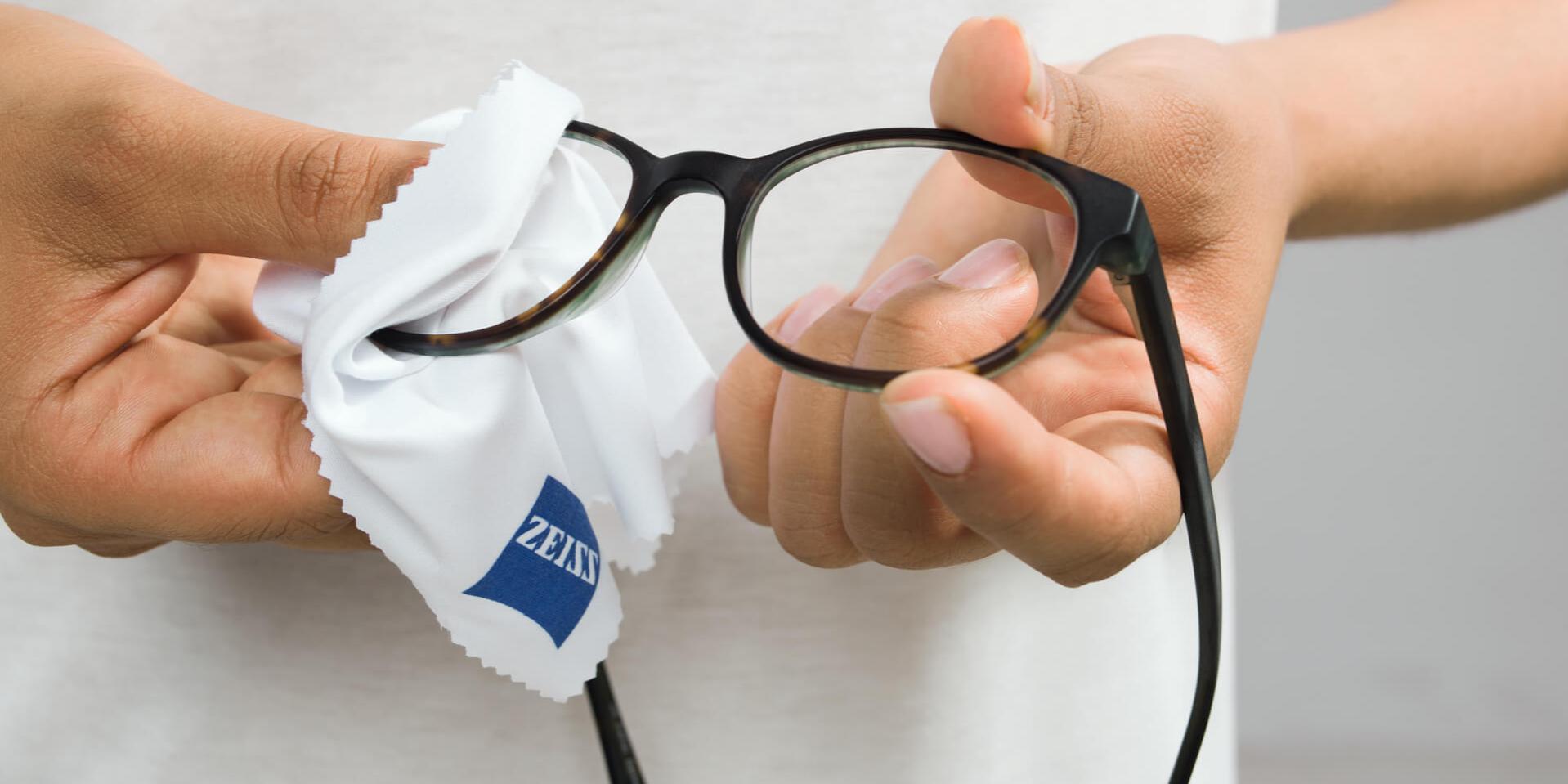
Investing in a quality pair of glasses with bifocals is an investment in your vision and daily quality of life. To ensure they continue to provide crisp, clear vision for years to come, proper care and maintenance are essential. Following a simple routine can protect your lenses from damage, maintain their advanced coatings, and keep your frames fitting perfectly.
Best Practices for how to clean bifocal lenses
Cleaning your lenses correctly is the single most important thing you can do to preserve them. Improper methods can lead to scratches and damage to special coatings, permanently impairing your vision through your dual-power eyewear.
Gentle Cleaning Methods for Longevity and Clarity
The safest and most effective way to learn how to clean bifocal lenses is to use a gentle, direct approach. Start by rinsing your glasses under a stream of lukewarm tap water. This will wash away dust and debris that could scratch the lenses. Apply a tiny drop of lotion-free dish soap to each lens and gently rub both sides with your fingers. Rinse thoroughly and carefully dry the lenses and frame with a clean, soft, lint-free microfiber cloth. Never use hot water, as it can damage the anti-glare coating for bifocals.
Tips for Avoiding Scratches and Damage to Your Lenses
To prevent accidental damage, avoid common but harmful habits. Never use your shirttail, a paper towel, or a tissue to clean your lenses. These materials have rough fibers that can cause micro-scratches, which accumulate over time and create a hazy view. Also, steer clear of household glass or surface cleaners, as their harsh chemicals can strip away the protective coatings on your glasses with bifocals.
Maintaining Your Eyewear for Optimal Performance
Beyond daily cleaning, regular maintenance ensures your glasses perform as they should. A proper fit is crucial for bifocals, as the position of the reading line directly impacts their effectiveness and your comfort.
Regular Professional Adjustments and Maintenance Checks
Over time, your frames can become loose or misaligned from daily use. We recommend visiting your optician periodically for a professional adjustment. They can tighten loose screws, readjust the temple arms, and ensure the nose pads are positioned so your bifocal eyewear sits correctly on your face. This guarantees that you are looking through the right part of the lens for distance and near tasks, which is a key factor in adapting to bifocal glasses successfully.
Proper Storage Techniques to Protect Your Bifocal Glasses
When you're not wearing your glasses, the best place for them is in a sturdy, hard-shell case. This protects them from being crushed, bent, or scratched. Always avoid placing your glasses lens-down on any surface. A little care goes a long way in protecting your primary pair of glasses. For outdoor activities, having a dedicated second pair can be a great idea. For instance, a pair of polarized bifocal sunglasses is an excellent investment for driving or reading in the sun, and these also require proper storage to protect their specialized lenses. By properly caring for all your vision tools, from your primary pair to your stylish men's reading glasses, you ensure lasting performance and value.
【Your Clear Path Forward with Bifocal Eyewear】
In summary, making the move to bifocal glasses is a practical step toward simplifying your daily vision needs. We've explored how they work by integrating two prescriptions into a single lens, making them an ideal solution for presbyopia. Key takeaways include understanding their main benefit—eliminating the need to switch between glasses—and acknowledging the initial adjustment period for the "image jump" and segmented view. We also highlighted the importance of customization, from essential anti-glare coatings to the versatility of bifocal sunglasses, and the fact that they can indeed correct astigmatism. Proper cleaning and maintenance are crucial to protect your investment and ensure lasting clarity. Ultimately, the decision between bifocals and other options is a personal one. While a dedicated pair of reading glasses serves a single purpose perfectly, bifocals offer an integrated solution for a dynamic life. Armed with this knowledge, you can confidently choose and adapt to the right pair, paving the way for effortless, clear vision at any distance.
``` MjAyNTA4MTExNzI2MDQ 当前显示MjAyNTA4MTExNzI2MDQ。


Comments
Post a Comment